Facebook
 X
X
 Pinterest
 Copy Link
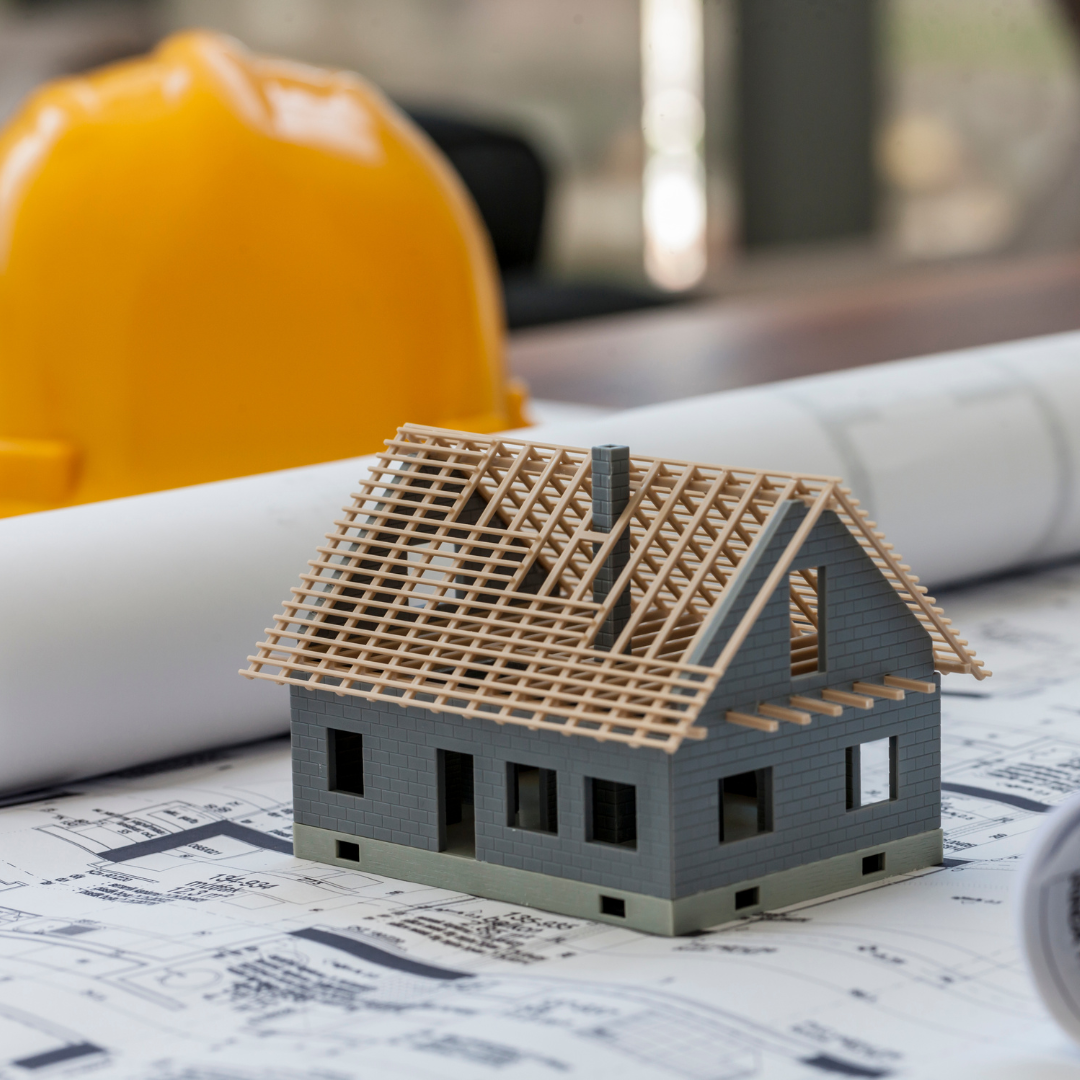
In today’s rapidly evolving real estate market, new construction plays a pivotal role in meeting the demands of a growing population and an expanding urban landscape. This article delves into the intricacies of new construction, highlighting its significance, the process involved, and the latest trends that shape this dynamic industry. By the end of this comprehensive guide, you will have a thorough understanding of the world of new construction and its impact on the real estate sector.
The Importance of New Construction in Real Estate
New construction is a critical component of the real estate market, providing modern, energy-efficient homes and commercial spaces that cater to contemporary needs. It addresses the demand-supply gap, offers customization options for buyers, and incorporates the latest building technologies and materials. Moreover, new construction projects contribute significantly to the economy by creating jobs and stimulating related industries.
Meeting Housing Demands
With urban populations soaring, the demand for housing has reached unprecedented levels. New construction is essential in addressing this demand, providing a continuous supply of homes to accommodate the growing number of city dwellers. These new homes often feature innovative designs and layouts that maximize space and functionality, appealing to modern buyers.
Economic Impact
The construction industry is a major economic driver, generating employment and boosting local economies. From architects and engineers to construction workers and real estate agents, a wide range of professionals benefit from new construction projects. Additionally, these projects stimulate demand for construction materials and related services, further amplifying their economic impact.
The New Construction Process
Understanding the process of new construction is crucial for anyone involved in the real estate market. This process can be broken down into several key stages, each requiring meticulous planning and execution.
Planning and Design
The first stage in any new construction project is planning and design. This phase involves identifying a suitable location, conducting feasibility studies, and developing architectural plans. The goal is to create a design that meets the needs of future occupants while adhering to local building codes and regulations. Collaboration between architects, engineers, and developers is essential during this phase to ensure that the project is viable and sustainable.
Securing Permits and Approvals
Once the design is finalized, the next step is to obtain the necessary permits and approvals from local authorities. This process can be time-consuming, as it involves submitting detailed plans and undergoing various inspections. Ensuring compliance with zoning laws, environmental regulations, and safety standards is crucial to avoid potential delays and legal issues.
Construction Phase
The construction phase is where the project begins to take shape. This stage involves several sub-phases, including site preparation, foundation work, framing, and the installation of systems such as plumbing, electrical, and HVAC. Construction managers oversee the project, ensuring that it progresses according to the schedule and budget. Quality control measures are implemented at each stage to ensure that the final structure is safe and durable.
Final Inspections and Handover
After construction is complete, the project undergoes a series of final inspections to ensure that it meets all regulatory requirements and quality standards. Once approved, the building is handed over to the owners or occupants. This stage may also involve a period of warranty and post-construction support to address any issues that arise after occupancy.
Trends in New Construction
The new construction industry is constantly evolving, driven by advancements in technology, changing consumer preferences, and environmental considerations. Here are some of the latest trends shaping the world of new construction.
Sustainable Building Practices
Sustainability has become a key focus in new construction, with developers and builders increasingly adopting green building practices. This includes the use of eco-friendly materials, energy-efficient systems, and renewable energy sources such as solar panels. Sustainable buildings not only reduce the environmental impact but also offer cost savings for occupants through lower energy bills.
Smart Home Technology
The integration of smart home technology is another major trend in new construction. From automated lighting and climate control to advanced security systems, smart homes offer enhanced convenience, security, and energy efficiency. These features are particularly appealing to tech-savvy buyers and can significantly increase the value of a property.
Modular and Prefabricated Construction
Modular and prefabricated construction methods are gaining popularity due to their efficiency and cost-effectiveness. These techniques involve assembling building components off-site in a controlled environment and then transporting them to the construction site for final assembly. This approach reduces construction time, minimizes waste, and ensures higher quality control.
Mixed-Use Developments
Mixed-use developments, which combine residential, commercial, and recreational spaces within a single project, are becoming increasingly common. These developments offer a convenient, urban lifestyle by providing easy access to amenities such as shops, restaurants, and parks. They also promote a sense of community and can contribute to the revitalization of urban areas.
Challenges in New Construction
Despite its many benefits, new construction is not without its challenges. Developers and builders must navigate a complex landscape of regulations, market conditions, and logistical issues.
Regulatory Hurdles
Obtaining the necessary permits and approvals can be a significant challenge in new construction. Regulatory requirements vary by location and can be stringent, requiring careful planning and documentation. Delays in the approval process can impact project timelines and budgets.
Rising Costs
The cost of construction materials and labor has been steadily increasing, posing a challenge for developers. Fluctuations in material prices, driven by supply chain issues and market demand, can affect project budgets and profitability. Additionally, labor shortages in the construction industry can lead to higher wages and longer project timelines.
Market Fluctuations
The real estate market is subject to economic cycles, and market fluctuations can impact the viability of new construction projects. Developers must carefully assess market conditions and demand trends to ensure that their projects are feasible and financially sustainable.
The Future of New Construction
The future of new construction looks promising, with continued advancements in technology and a growing emphasis on sustainability. Innovations such as 3D printing, artificial intelligence, and building information modeling (BIM) are set to revolutionize the industry, making construction faster, cheaper, and more efficient.
3D Printing
3D printing technology has the potential to transform new construction by enabling the rapid and cost-effective production of building components. This technology allows for the creation of complex and customized designs that would be difficult to achieve with traditional construction methods. As 3D printing technology continues to advance, it could significantly reduce construction times and costs.
Artificial Intelligence and Automation
Artificial intelligence (AI) and automation are playing an increasingly important role in new construction. AI can be used to optimize design and construction processes, improve project management, and enhance safety on construction sites. Automation technologies, such as robotic bricklaying and autonomous construction vehicles, can increase efficiency and reduce the reliance on manual labor.
Building Information Modeling (BIM)
Building Information Modeling (BIM) is a digital representation of the physical and functional characteristics of a building. BIM technology allows for better collaboration between stakeholders, improved project visualization, and more accurate cost estimation. By integrating BIM into the construction process, developers can enhance project planning and execution, resulting in higher quality buildings and reduced waste.
In conclusion, the world of new construction is dynamic and multifaceted, with numerous factors influencing its success and sustainability. By understanding the importance of new construction, the process involved, and the latest industry trends, stakeholders can better navigate this complex landscape and contribute to the development of innovative, sustainable, and economically viable projects.
If you want to read more information about how to boost traffic on your Website just visit –> The Insider’s Views.